01 / Your space
Put your property
to work.
Explore how rooftops and parking areas can support on-site solar generation.
 COMMERCIALDiscuss your project
 Commercial solar, battery storage & EV charging
Turn the space you already have into a source of energy. Solar, battery storage and EV charging, built around your business.
Integrity built in. Quality you can see.
The energy opportunity / Commercial solar
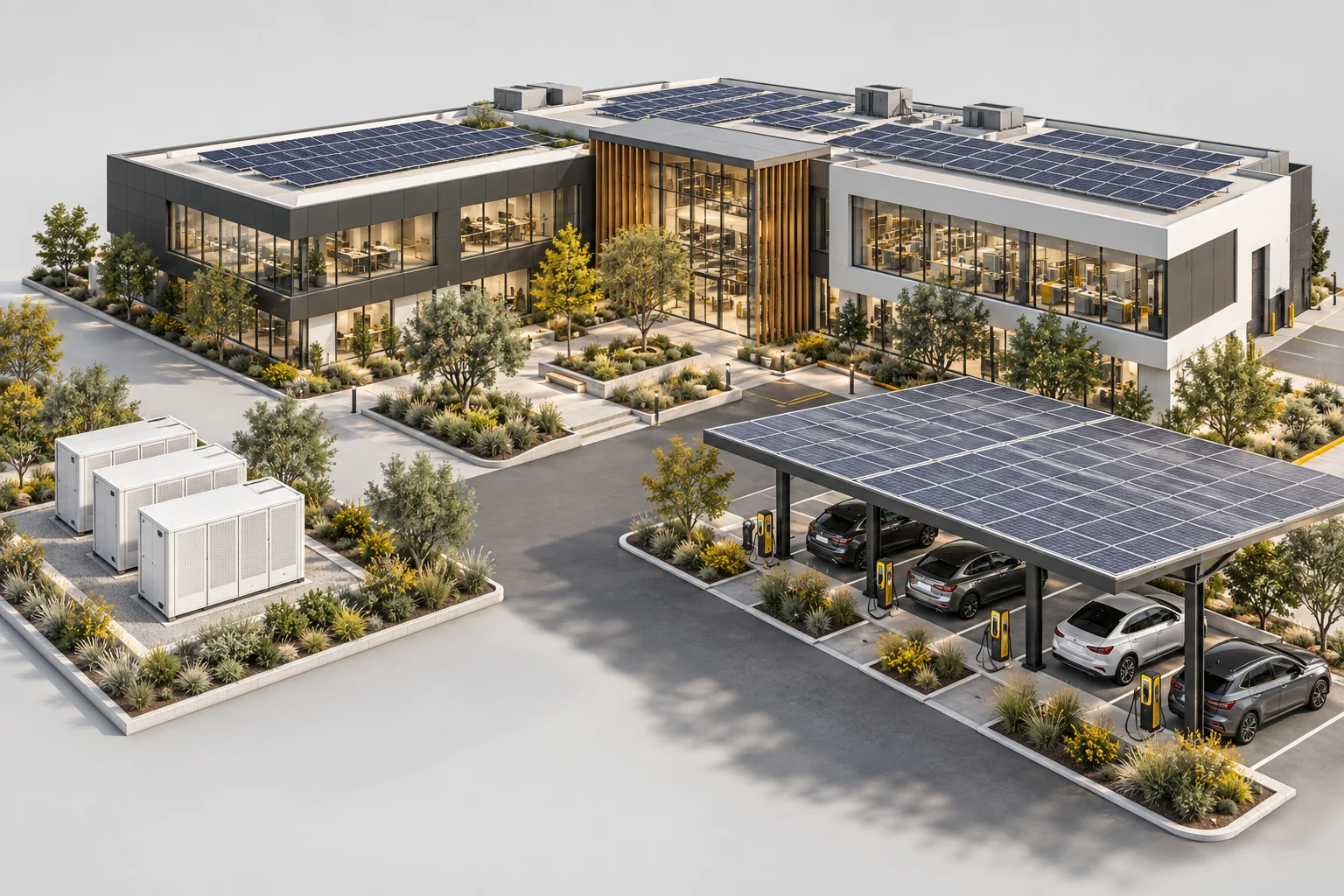
01 / Your space
Explore how rooftops and parking areas can support on-site solar generation.
02 / Your operations
Your operating hours, electricity use and utility rate shape the right system.
03 / Your investment
Understand the scope, assumptions and long-term responsibilities before deciding.
Built around your business
Start with your energy needs. Bring the right technologies together in one considered plan.
Make room for on-site generation. Explore rooftop systems and solar carports around your available space and daytime demand.
Explore solar Commercial solar detailsUse stored energy when it makes sense for your operations. Reduce demand peaks with battery peak shaving and evaluate backup for selected critical loads.
Explore storage Commercial battery storage detailsPlan charging for employees, visitors or your fleet. Match the equipment to dwell times, electrical capacity and future needs.
Explore charging Commercial EV charging detailsThe connected business / Explore
A closer look at the decisions behind your energy system.
Generate where you work
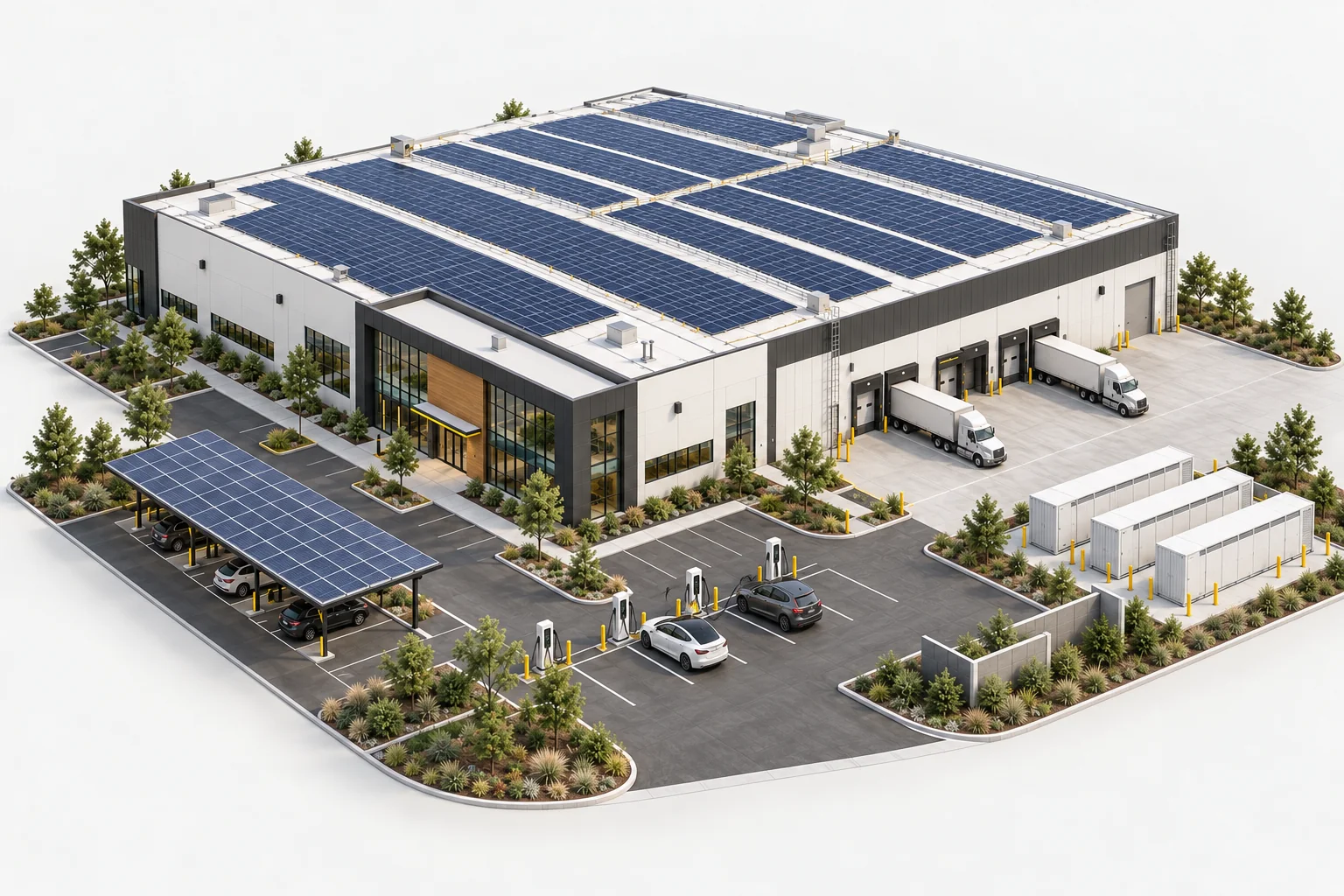
Use available roof or parking space to generate electricity on site. Start with the building, then design around the business inside it.
Solar output varies with sunlight. Grid connection and any energy exports depend on utility approval and the project design.
Plan your solar projectEnergy, when it matters
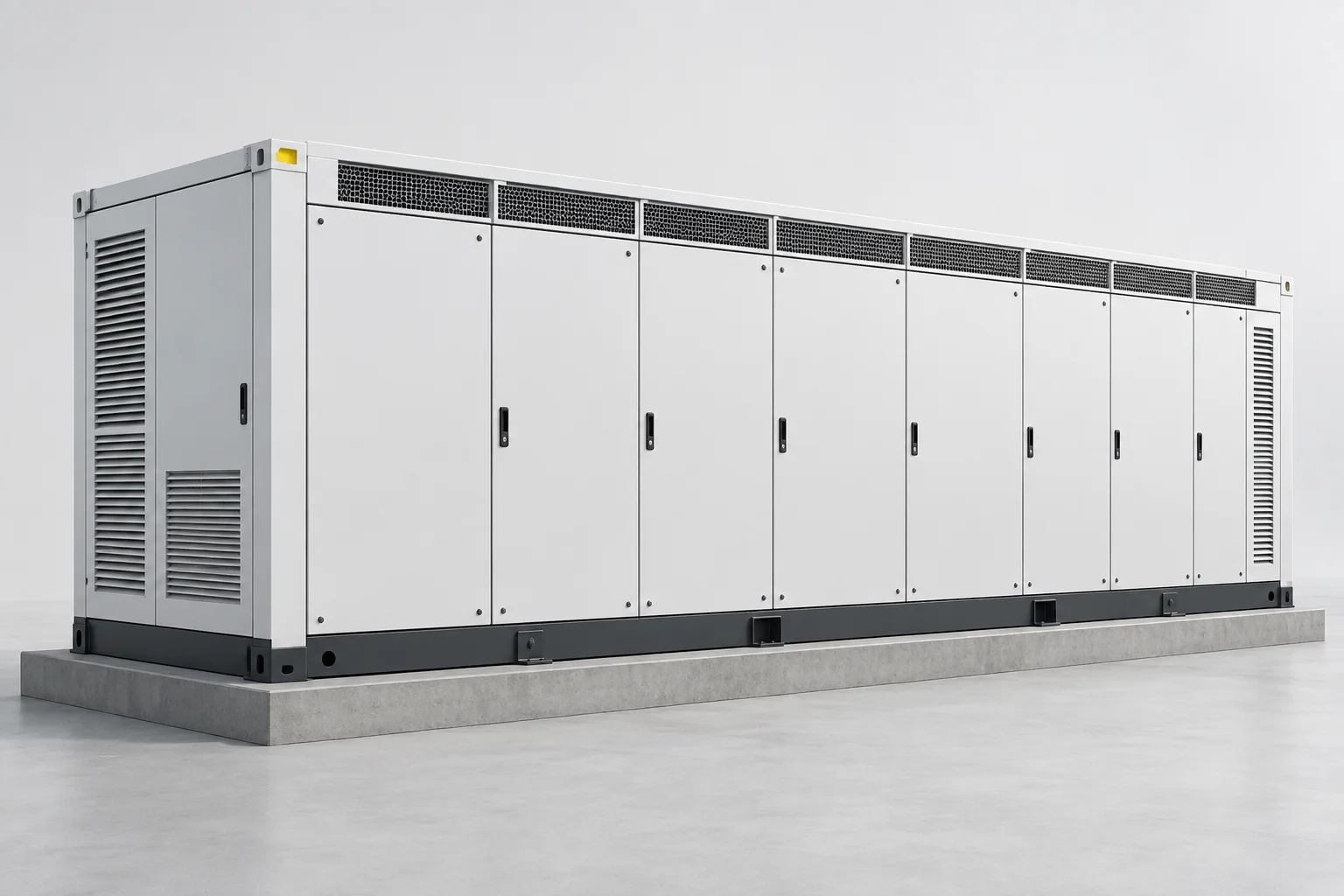
Use stored energy to reduce demand peaks through peak shaving, or support selected critical loads. We design around when you need power and how your business uses it.
Backup requires compatible controls and equipment. Runtime depends on battery capacity, charge and connected loads.
Discuss battery storageMake room for what’s next
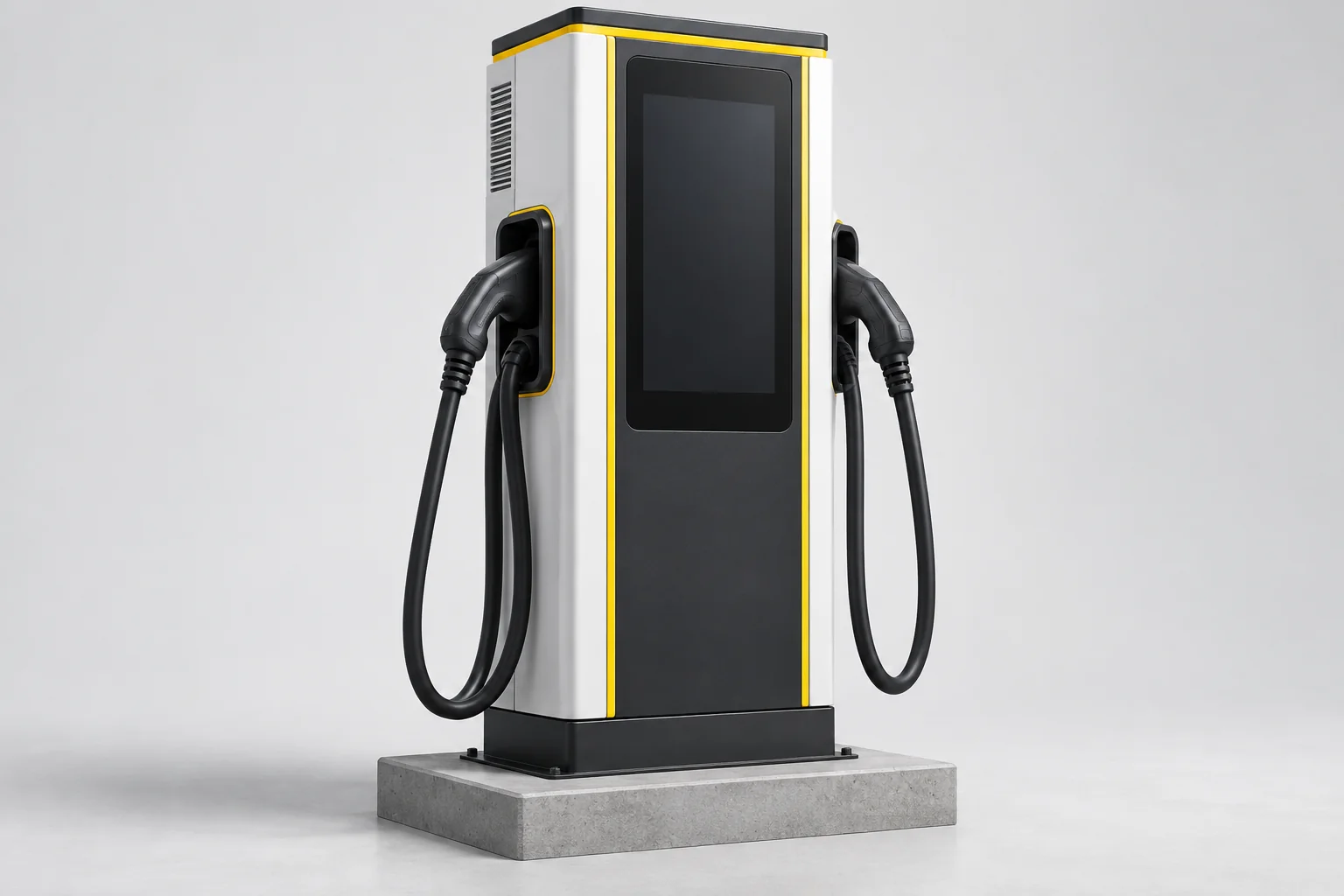
Employee parking, customer visits and fleet schedules create different charging needs. Build the plan around the vehicles and the time they spend on site.
Charging speed and simultaneous use depend on the equipment, available power and vehicle compatibility.
Plan EV chargingFrom today’s operations to tomorrow’s plans
Energy projects for existing properties and new commercial construction.
01 / Battery peak shaving
A short spike in electricity demand can influence your utility bill. We plan batteries to discharge during high-demand periods, reducing the power your business draws from the grid.
We evaluate your demand profile, utility tariff and battery controls to see where peak shaving can help reduce demand charges.
Explore peak shaving02 / New construction
We work on new commercial construction projects, bringing solar, battery storage and EV charging into the plan before the building is complete.
Coordinate roof space, electrical capacity, battery placement and charging infrastructure with your design and construction teams.
Discuss a new developmentFrom the first conversation
The right system starts with the details. Here is how we approach the conversation.
Review your location, operating hours, electricity bills or new-build plans, and goals. Identify what matters most to your team.
Assess roof condition, usable space, electrical capacity and utility connection requirements. Compare system options, costs and the assumptions behind projected performance.
Agree the scope, responsibilities and schedule. Coordinate permitting, installation, utility interconnection and commissioning, with a clear handover plan.
The VOLT standard
Your energy system is part of your business. It should be planned with the same care.
VOLT Commercial serves businesses across the United States, with a particular focus on Illinois, Florida, California and Texas. We bring solar, storage and charging into one conversation. We focus on understanding the property, explaining the options and defining the work clearly.
From a single building to a broader property portfolio, the starting point is the same: your operations, your priorities and a plan you can understand.
Meet your next projectBefore you begin
Battery peak shaving uses stored energy during periods of high demand to reduce the power drawn from the grid. VOLT evaluates your utility tariff, demand profile, battery size and operating strategy to determine whether it fits your business.
Yes. VOLT Commercial works on new construction as well as existing properties. We plan solar, battery storage and EV charging with the design and construction teams, including roof space, electrical capacity, equipment locations and project sequencing.
VOLT Commercial serves businesses across the United States, with a particular focus on Illinois, Florida, California and Texas. Share your property location so the team can discuss the site and project requirements.
Usable space, roof condition, shading, electrical infrastructure and how your business uses energy all matter. A property review and electricity-use history help establish what is practical.
Yes. They can be considered together so generation, stored energy and vehicle charging fit the site's electrical capacity and operating needs. The final combination depends on a site-specific review.
A standard grid-connected solar system generally shuts down during a grid outage. Backup requires compatible storage, controls and a design for selected loads. The available runtime depends on the system and energy use.
Start by reviewing the lease, remaining term and landlord's requirements. Installation usually requires the owner's agreement and a clear allocation of access, maintenance and other responsibilities.
Your property location, business type, ownership or lease status and main objectives are a good start. For existing properties, twelve months of electricity bills and available interval-use data help establish energy use and peak demand. For new construction, share site plans, expected electrical loads and your construction schedule.
They depend on installed cost, energy production, when your business consumes electricity, utility tariffs, maintenance and the funding structure. Any proposal should show its assumptions. Incentive eligibility needs to be confirmed for your project.
Look for the proposed system size and layout, expected production or battery operating strategy, an itemized scope, and the assumptions behind projected savings. Clarify utility requirements, project milestones, warranty coverage, monitoring access and ongoing maintenance responsibilities before moving ahead.
Site readiness, equipment availability, permits, utility studies and interconnection approvals can affect timing. For new construction, align equipment locations and electrical work with the building schedule. Installation completion and utility permission to operate may be separate milestones.
Your next step
Tell us what you are planning.
We’ll start with the details that matter.
Prefer to email directly? Share your location and a short description of the project. Serving businesses nationwide.